



Hospital Based EMS Operations
When you run a hospital-based EMS fleet, it means you are operating at the intersection of two demanding worlds: emergency medical services and hospital systems. You are always coordinating patient transfers, managing campus emergencies, and sometimes supporting community responses, and you do it all while trying to work with your hospital's existing software system.
For many hospital EMS programs, the technology and software side of your operations causes just as many problems as it solves. Your EMS software isn’t connected to your hospital's EHR, and patient handoffs involve redundant and repeated documentation. When a mass casualty incident happens, you are coordinating your fleet with tools that simply were not designed for intense, large-scale responses. And despite all this, you are still expected to demonstrate measurable improvements so as to justify your budget to the hospital executives who are scrutinizing every line item.
AngelTrack consolidates all of your functions into one platform that integrates directly with the hospital's systems. Everything from EHR connectivity and real-time patient data sharing, to fleet coordination during mass casualty incidents is handled in the same system, with the security and compliance standards your hospital requires.
This guide walks through common operational challenges faced by hospital-based EMS programs in urban environments, and it shows how AngelTrack can help you solve them. If you are evaluating new software options, or looking to better streamline your department's operations while building a strong case for hospital leadership, this will give you a clear picture of what's possible.
Discover how AngelTrack ties your operations together, effortlessly.
Schedule a demo with us today!
Not your service? See how AngelTrack can work for you:

When Your EMS Software Can't Connect to Your EHR
Your hospital probably runs on Epic, Cerner, or another major EHR system, while your EMS operations run on something entirely different. These platforms don't connect, so every patient transfer requires manually re-entering information that already exists elsewhere.
This isn't just inefficient. It's a patient safety issue. When your EMS crew brings a patient into the ER, the receiving team should have immediate access to field data: vitals, medications administered, incident details. Instead, they're waiting for a verbal report or paper form. Critical information gets lost, documentation errors creep in, and staff spend valuable time on redundant data entry instead of patient care.
The problem is that most EMS platforms were built for municipal fire departments or private ambulance companies, not hospital-based programs that need deep clinical integration.
AngelTrack provides robust API connections that integrate directly with major hospital EHR systems. Patient information flows seamlessly from hospital records to your EMS crews, and field data flows back to your ER without manual re-entry. Crews access patient history before arriving, your emergency department receives real-time updates, and documentation stays synchronized across both systems.
Learn More: EMS Software
Real-Time Patient Data That Properly Reaches Your ER
When your crew is transporting a patient in need of urgent care, the receiving team needs to know what's happening before the ambulance arrives. Current vitals, interventions taken, changes in patient status. This information should reach your ER in real time so they can prepare accordingly.
Most hospital EMS programs handle this through radio reports or phone calls. It works, but it's limited. Your crew should be focused on patient care, not detailed verbal handoffs. Important details get compressed or missed, and the ER team doesn't have a complete picture until the patient arrives and paper documentation gets reviewed.
The real issue is that your ER physicians and nurses are preparing based on incomplete information. They might not know about a sudden status change en route, or miss a medication already administered. Every minute spent clarifying details after arrival is time that could have been spent providing care.
AngelTrack enables real-time patient data transmission from field units directly to your hospital. Vitals, assessments, and interventions are documented once by your EMS crew and immediately available to your receiving team. Your ER physicians can review information on their own devices and prepare for what's coming. This eliminates communication gaps, improves care transitions, and gives your clinical teams the information they need when they need it.
Learn More: EMS Software


Fleet Coordination During Mass Casualty Incidents
Urban medical centers regularly face situations that stress EMS operations: major accidents, severe weather, large public gatherings, active shooter scenes. When something happens, you need to mobilize your fleet quickly, coordinate with municipal EMS, and get the right units to the right places.
Your current system likely wasn't designed for this. Routine days are fine, but when you suddenly need to coordinate multiple units across multiple scenes with outside agencies, limitations emerge. You're managing through radio traffic, phone calls, and status boards. Information gets scattered and important decisions get made without complete awareness.
The problem is you can't see the whole picture when you need it most. Which units are available? Where are patients going? What's the capacity at receiving facilities? In a mass casualty incident, these questions need immediate answers, not information pieced together from multiple sources while the situation develops.
AngelTrack's CAD system provides dynamic fleet coordination for complex, multi-unit responses. During an MCI, you see all available units in real time, reassign resources as situations develop, and maintain coordination with municipal EMS through affiliates RMS. The platform tracks patient status, hospital capacities, and unit locations throughout an incident. It handles both daily operations and the moments when everything happens at once.
Learn More: CAD Software
Knowing Where Your Units Actually Are
Efficient hospital-based EMS relies on knowing exactly where your fleet is at any moment. When an emergency happens or a transfer request comes in, you need to send the closest available unit. Without real-time tracking, that's often just a guess.
Most hospital EMS programs track units through radio check-ins or dispatch status updates. Your crew reports leaving, arriving, going en route. It works for basic dispatching, but it doesn't tell you where they actually are right now. If an urgent call comes in while a unit is returning from a transfer, you don't know if they're five minutes away or stuck in traffic across the city.
The issue is you're making dispatch decisions based on assumptions rather than facts. You might send a farther unit while a closer one sits idle. Response times suffer, and during emergencies, those minutes add up.
AngelTrack's Automated Vehicle Location system shows you where every vehicle is in real time on a map. Your dispatchers see actual positions, not just reported statuses. When an emergency happens, you send the unit that's genuinely closest.
Learn More: Automated Vehicle Location

The Data You Need to Justify Your Budget
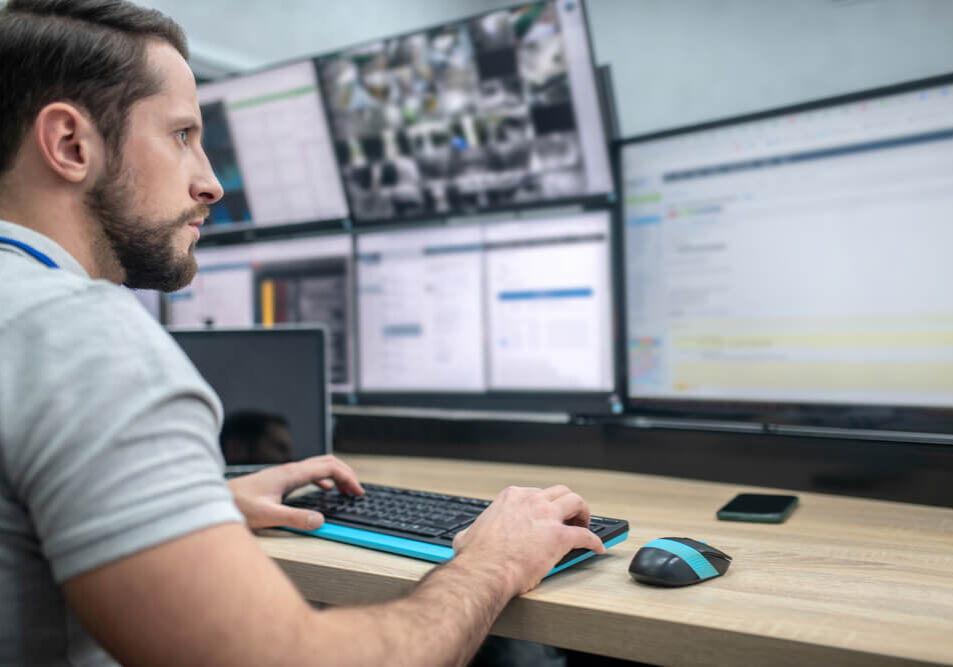
Running a hospital-based EMS program means constantly proving your value in measurable terms. Budget approval and service changes require concrete data showing efficiency, cost-effectiveness, and improved patient care.
If your current EMS software doesn't provide detailed analytics, you're building reports manually from whatever data you can extract. Response times, transport volumes, unit utilization, patient outcomes. You need all of it broken down to demonstrate value against other hospital priorities.
Most EMS platforms weren't designed with hospital administration in mind. They track calls and document care, but don't provide the comprehensive operational analytics executives expect. You spend hours pulling together reports that still don't tell the complete story.
AngelTrack provides detailed analytics built for hospital-based operations. Track response times, transport volumes, crew utilization, and cost per transport. Demonstrate improvements in handoff times, show how EHR integration reduced documentation errors, and quantify efficiency gains. When presenting to leadership, you'll have the data to make a compelling case.
Learn More: AngelTrack Pricing
Security and Compliance That Meet Hospital Standards
Hospital IT departments have high standards for any system involving patient data. HIPAA compliance isn't optional, and your EMS software needs to meet the same security standards as every other clinical platform in your organization.
Many EMS platforms were built for smaller operations and lack enterprise-grade security features. Your IT department asks about encryption, access controls, audit trails, and data storage, and the answers aren't always satisfactory.
The real issue is that failed security reviews kill projects before they start. You find software that solves operational challenges but IT won't approve it, or platforms that meet security requirements but lack the EMS functionality you need.
AngelTrack was built to meet hospital-grade security and compliance standards. The platform is fully HIPAA compliant with comprehensive encryption, role-based access controls, complete audit trails, and secure data storage. It can pass your security review without compromising functionality or compliance.
Learn More: EMS Software

Training Your Staff Without Losing Productivity
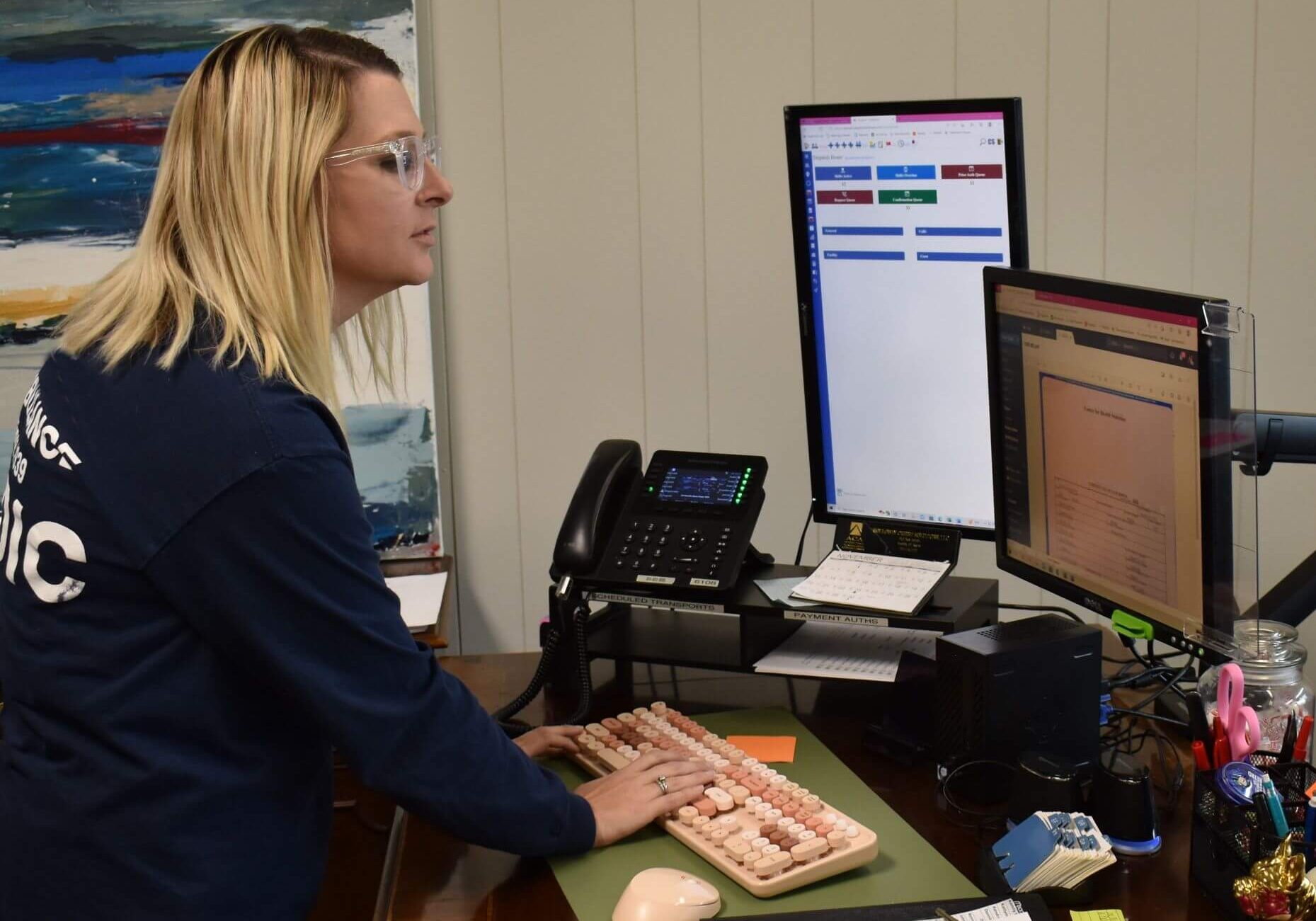
Implementing new software in a hospital means training staff who are already stretched thin. Your EMS crews are running calls, dispatchers are managing operations, and nobody has time for extensive training on a complicated platform.
If the system requires weeks of training, adoption will be slow and resistance will be high. Staff will default to workarounds or continue doing things the old way because it's faster.
The real problem is that complicated software doesn't get used properly. You end up with an expensive platform that never delivers the operational improvements you were hoping for.
AngelTrack's interface is straightforward despite its robust feature set. Common tasks are easy to find, workflows follow logical patterns, and the system doesn't require extensive technical knowledge. Your team gets up to speed quickly, which means faster adoption and quicker return on investment.
Learn More: EMS Software